Creating a subdomain in cPanel is a straightforward process that allows you to organize your website more effectively. Whether you want to launch a blog, a staging environment, or a separate online store, a subdomain provides a distinct web address under your primary domain name. This cPanel subdomain setup guide will walk you through each step to ensure you can add a subdomain correctly and understand the key settings involved.
What is a Subdomain and Why Use One
Before we begin, it is helpful to understand what a subdomain is. Think of it as a subsection of your website that operates under its own unique address. For example, if your main site is `yourdomain.com`, you could create `blog.yourdomain.com` or `shop.yourdomain.com`. This is useful for separating different functions of your website without needing to register your main domain again. Common uses include testing new features on a staging site, hosting a customer support portal, or creating versions of your site for different regions.
How to Create a Subdomain in cPanel Step by Step
This cPanel tutorial provides the exact steps to add a new subdomain to your hosting account. The process is simple and gives you full control over how the subdomain is configured. Follow these instructions carefully to get started.

- Log into Your cPanel Account
The first step is to access your cPanel dashboard. You typically do this by navigating to your domain followed by `cpanel` or by using the login details provided by your hosting provider. - Navigate to the Subdomains Tool
Once logged in, look for the Domains section on the main cPanel page. Within this group of tools, find and click on the Subdomains icon to open the creation interface.
- Enter Your Subdomain Details
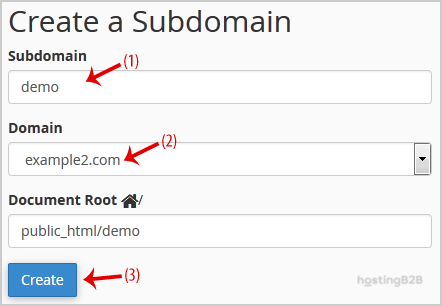
On the “Create a Subdomain” screen, you will see a few fields to complete.- Subdomain In this field, type the name you want for your subdomain. For instance, if you want `demo.yourdomain.com`, you would enter `demo`.
- Domain If you have multiple domains on your account, use the dropdown menu to select the primary domain name under which you want to create the new subdomain.
- Document Root cPanel will automatically suggest a directory path for your subdomain’s files, such as `/public_html/demo`. This directory is where you will upload all the files for this new subdomain. While you can customize it, the default suggestion is usually appropriate for most users.
- Click the Create Button
After you have entered the details and confirmed the document root is correct, click the Create button. cPanel will then process the request and set up the necessary directory and DNS entries for your new subdomain.

You will see a success message confirming that the subdomain has been created. Your new subdomain is now ready for the next steps.
Next Steps After Creating Your Subdomain
After you create a subdomain, it does not become active instantly. You need to be aware of DNS propagation, which is the process of updating servers around the world with the new information. This can take anywhere from a few minutes to a few hours. Once it is active, you can start uploading your website’s files to the document root directory you specified during setup.
Managing Your cPanel Subdomains
Your needs may change over time, and cPanel makes it easy to manage your subdomains. From the same Subdomains page, you can see a list of all existing subdomains. Here, you have options to manage them. For example, you can remove a subdomain you no longer need or set up a new one. You can also redirect your subdomain to another URL, which is useful for marketing campaigns or site restructuring. This centralized management is a key benefit of using reliable Web Hosting services that include cPanel.
Frequently Asked Questions
The document root is the folder on your server where the files for a specific subdomain are stored. When someone visits your subdomain in a browser, the server shows the files from this designated folder.
A new subdomain can take from 30 minutes to a few hours to become fully active worldwide. This delay is due to DNS propagation, the time it takes for internet service providers to update their records with your new subdomain’s address.
The number of subdomains you can create depends on your web hosting plan. Many plans offer a generous or even unlimited number of subdomains, but it is always best to check the specifics of your account.
Yes, you can absolutely install applications like WordPress on a subdomain. It functions as a separate website, so you can use it to run a blog, store, or forum independently of your main domain.
A subdomain is a prefix added to your existing domain (e.g., `blog.yourdomain.com`). An addon domain is a completely separate domain name (e.g., `anotherdomain.com`) that you host within the same cPanel account. You can learn more about how to create Addon Domains for hosting multiple sites.